
From $40 to $4 Million: The Bells’ Food Truck Math That Wall Street Would Respect
A cash-only food truck has grossed more than $4 million with no bank debt, no investors and no logo. The real lesson for Black entrepreneurs is the capital discipline and audience ownership behind it.
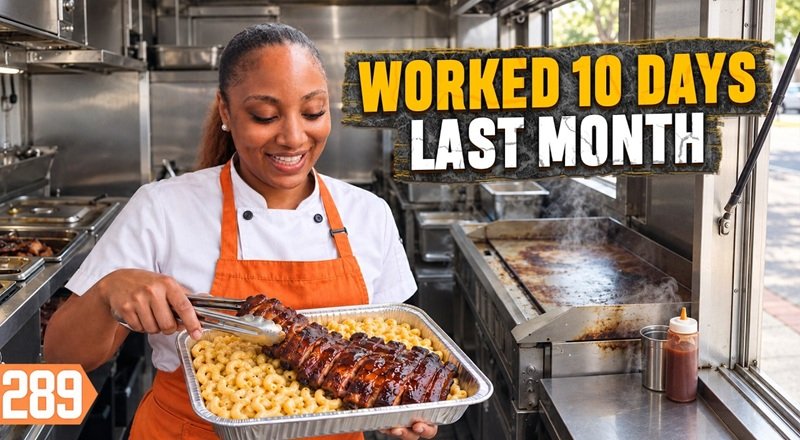
Thaddeus and Ashley Bell’s truck, Bell’s Sweet Factory, grossed $52,114.73 in August. Cost of goods ran about $18,000. Payroll was $10,100. Commissary time was $2,700, two site fees came to $2,400, insurance was $473, and miscellaneous costs were $500. That left roughly $17,900, a pre-tax operating margin of about 34%, and it comes after the couple paid themselves $8,000 a month in salary. Plenty of sit-down restaurants would be glad to clear single digits.
Broke and out of options, the couple took a Greyhound from New Orleans to Dallas with $40, and Ashley was pregnant. They spent the $40 at Walmart on ingredients for praline brownies, sold them for $100, then put all $100 into 10 plates of fried fish, mac and cheese and potato salad. Then 12 plates, then 15, plus desserts and drinks. They saved enough to buy a $7,000 truck in cash. That truck grossed roughly half a million dollars in its first year while the Bells worked three to four days a week. When another driver totaled it, they paid $26,000 cash for a new 2025 truck the family calls Big Blue.
That’s textbook bootstrapping: every dollar of growth came from reinvested cash flow, with no SBA loan, no equipment financing and no equity given up. Black founders tend to have thinner family balance sheets to borrow against and run into steeper barriers to credit. For them, growing on cash flow isn’t a romantic choice. It’s the one lever they fully control.
The Moat That Survived Both a Failed Restaurant and a Viral Attack
The trade-off is fragility, and the Bells have felt it. After that half-million-dollar year, the plan was a new G-Wagon. They “celebrated” with a brick-and-mortar restaurant instead. They learned that cooking and running a restaurant are different businesses. They also hadn’t read their lease closely. When the building’s aging AC died, the landlord wouldn’t fix it, and it took a lawyer to get them out of the lease. In the month after they closed, revenue fell to $5,000.
Their moat today is distribution. The Bells say social media brings in essentially all of their customers. TikTok reaches a younger crowd that likes them loose and unfiltered. Instagram gets a more polished, behind-the-scenes version. The accounts pull 2 million to 3 million views a month. As they prepared to leave Dallas, an influencer with a large following posted a negative review. The couple answered every attack by posting real reviews and sold-out notices. Views spiked to 10 million and June became their best month on record, at about $64,000. The platform even paid them roughly $1,500 in creator earnings from the controversy.
That audience moved with them. In two months in Miami’s Wynwood, they’ve passed 22,000 followers and raised monthly revenue from their Dallas range of $25,000 to $30,000 up to $52,000. That’s despite average tickets falling from about $100 to $50 to $70.
The episode also showed the limits. On filming day, after four or five days closed with no posts, they served 26 customers against a goal of 100. The algorithm had cooled off. An audience is an asset, and it loses value when you stop maintaining it.
Four Moves to Steal From the Bells’ Balance Sheet
1. Know your daily breakeven before you finalize your menu. The Bells target $2,000 to $3,000 per service day, or $8,000 to $10,000 a week. Turn your fixed and variable costs into one daily number, then price to it. Their $35 lamb chops are the anchor. Add-ons like crab meat and shrimp do the rest, and the upselling has produced a record $173 single plate.
2. Treat your audience like an asset on your balance sheet. Followers bring in customers without a per-click ad bill, but only if you keep showing up. Post daily, tailor the content to each platform, and never go quiet for days right before a big service.
3. Build more revenue streams on the same audience. About 90% of revenue comes from the truck. The Bells also earn from catering, an ebook on starting a food truck, platform payouts, and their signature “Bellionaire” sauce. The sauce outgrew their shipping operation, and they’re now looking for a manufacturer. A packaged product can grow without anyone standing at the grill, which makes it their clearest route to the $1 million-a-year goal. As the couple puts it, making money is one thing and keeping it is another.
4. Read every contract like a loan agreement. The restaurant didn’t fail because of the food. It failed because of the lease. Commissary kitchens run $25 to $30 an hour plus $800 to $1,600 in startup fees, and the Bells paid $2,300 up front for theirs. They also pay $1,000 a month to park on private property. Before you sign for any of that, or a storefront, have a lawyer review who pays for repairs and how you get out. A $50-a-month QR check-in system, built by one of their customers, keeps long lines from sending paying customers away.

1 Comment