
Tyler Perry Named Co-Chair of Gov.-Elect Keisha Lance Bottoms’s Transition Team: What It Means for Black Wealth in Georgia
The film mogul joins Arthur Blank and Roz Brewer on the team shaping Medicaid, film incentives and state contracts, and the billions of dollars they move
Governor-elect Keisha Lance Bottoms has filled her transition with the people who allocate capital in Georgia, including one of the richest Black business owners in America. The decisions this team shapes before January 11, 2027, on Medicaid, the film tax credit, housing finance and state contracting, will decide where billions of dollars flow through Black households and Black-owned firms.
Nine Weeks to Set Four Years of Money in Motion
A transition team doesn’t govern. It decides who will.
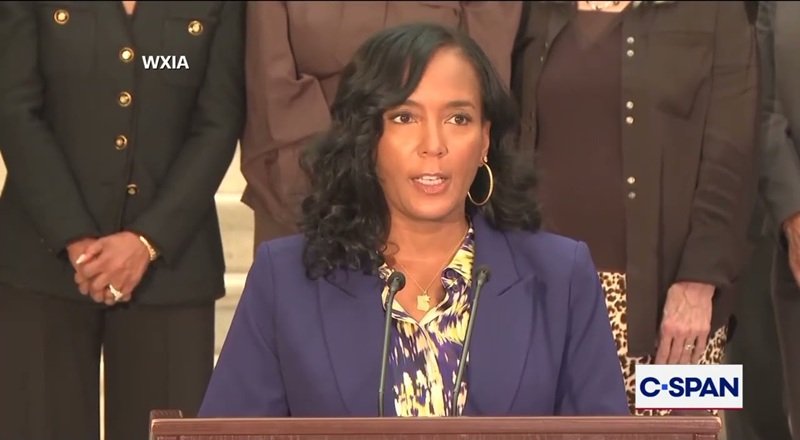
On November 6, three days after a roughly nine-point win over self-funded Republican Rick Jackson, Bottoms stood at the State Capitol and named the leadership of “Georgia’s Promise.” Tyler Perry is one of ten co-chairs. Next to him are Home Depot co-founder Arthur Blank, former Walgreens Boots Alliance CEO Roz Brewer, Carter Center board chair Jason Carter, Delta executive Richard Cox, retired Coca-Cola Enterprises executive Vicki Palmer and affordable-housing veteran Carmen Chubb. John King, who was Atlanta’s chief operating officer when Bottoms was mayor, runs the operation.
The historic part is already well covered. Bottoms will be Georgia’s first Democratic governor since Roy Barnes was elected in 1998, and the first Black woman elected governor of any U.S. state. The financial story is quieter. Over the next nine weeks this group will review agencies, vet appointees and turn campaign promises into the governor’s first budget proposal, which goes to the legislature in January. The deals, contracts and regulatory choices of the next four years start here.
Perry’s Seat: A Studio, a Tax Credit and Key-Person Risk
Perry’s seat matters because of what he owns. Tyler Perry Studios sits on the former Fort McPherson Army base in southwest Atlanta, one of the largest privately owned production campuses in the country, built around a mostly Black workforce and set in a historically Black part of the city. He is the clearest example the state has of the film tax credit turning into Black-owned real assets.
That credit is under pressure. Georgia offers up to a 30% transferable, uncapped credit on qualified production spending, one of the most generous in the nation. But direct production spending fell to about $2 billion in fiscal 2026, a ten-year low and less than half the $4.4 billion peak in 2022. The state’s own auditors have repeatedly questioned the program’s fiscal return, and some lawmakers have floated a cap. A studio owner advising on the administration’s priorities means the people defending the credit will be at the table early.
The appointment has drawn scrutiny. Perry faces two pending civil lawsuits alleging sexual misconduct, one filed in June 2025 by actor Derek Dixon and one in December 2025 by actor Mario Rodriguez. He denies both, and his lawyers have called them a shakedown. These are unproven allegations, but they count as an institutional risk. A co-chair in active litigation brings headline risk to a new administration’s first weeks, and every board, fund and founder should study that kind of key-person risk.
Follow the Money: Medicaid, Housing and the Policy Pipeline
Bottoms’s stated priorities read like a list of balance-sheet events. Full Medicaid expansion, which she calls a cornerstone, would bring federal dollars into Georgia’s health system that the state has so far left unclaimed. Recent federal changes have made expansion less generous for late adopters, and Republicans still control the state Senate, so passage is not guaranteed. If it happens, it changes both household risk and the provider economy. Medical debt is one of the quiet forces widening the racial wealth gap, because it hits families with thinner cash cushions harder. Coverage acts like insurance on a household’s net worth.
Housing, preschool, school funding and data-center policy round out the list. Each one comes down to procurement, tax expenditure or regulated returns. Chubb’s background at the state Department of Community Affairs, which hands out Georgia’s low-income housing tax credits, suggests housing finance will get serious attention.
The Playbook: Four Moves to Make Before Inauguration Day
1. Get procurement-ready before the budget drops. New administrations reshuffle vendor relationships. If you run a services firm, register now in the state’s procurement system (Team Georgia Marketplace), finish any certifications such as GDOT’s Disadvantaged Business Enterprise program, and follow the agency reviews. The governor’s January budget will show which agencies are growing. Being qualified when the RFP comes out is worth more than knowing someone after it does.
2. Treat the film credit as an asset class, not just an industry. Because Georgia’s credit is transferable, productions without enough state tax liability sell credits, usually below face value, to buyers who owe Georgia income tax. High-earning professionals and business owners can use these purchases to lower their state tax bill. Work with a CPA, buy only credits that have been certified and audited, and treat it as tax planning, not speculation. Policy matters too: a cap or restructuring would change pricing, so watch the session.
3. Position for the Medicaid build-out. Expansion, if it passes, creates demand at once for home health, behavioral health, community clinics, medical billing and health staffing. Founders in these areas should model revenue under different reimbursement rates now and line up credentialing, which can take months, ahead of any enrollment surge.
4. Learn the housing-credit rules. DCA’s Qualified Allocation Plan decides which developers win low-income housing tax credits. Black developers and investors can join as co-general partners with experienced sponsors to build a track record and equity. Comment during QAP review periods. The scoring criteria decide who builds Georgia’s next ten years of housing.

2 Comments