The Advance Is a Leash: What a 1990s Crime Drama Gets Right About Who Really Owns Black Creative Wealth
In The Drop: A Snowfall Saga, a hit single gives a young label leverage over everyone involved, and the artists end up bound by deals they can’t fully read. The same mechanics still decide who keeps the wealth when Black creatives build value: advances, recoupment, concentrated delivery risk, and contractual lock-in.
A month after “Back 2 Da Hood” catches fire, Black Banner orders 250,000 copies and announces an album. That should be the moment everyone gets paid. It isn’t. It’s the moment the label starts holding the cards.
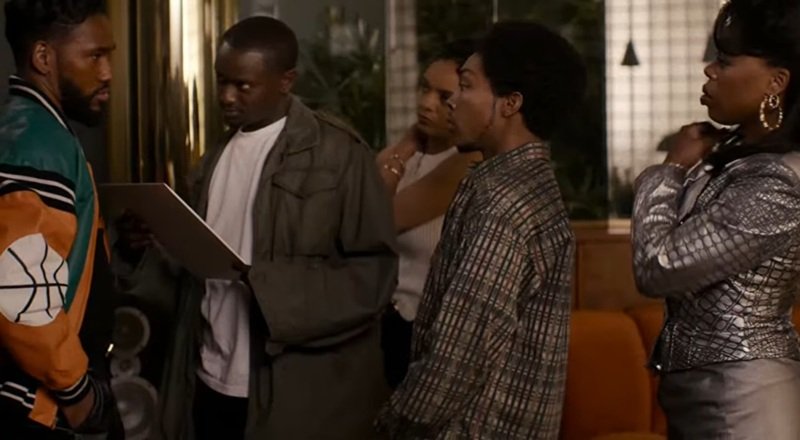
Episode 6, “Exit Wounds,” is fiction set in early-1990s Los Angeles, but the business structure it shows is accurate. Leonard Vance (Eric Balfour) describes monthly stipends of roughly $2,000 to $10,000, advanced against future earnings. DG (Brandon Mychal Smith), in private, compares the arrangement to the pimping economy. The comparison is blunt, but the mechanics he’s pointing at are real.
How an Advance Works
An advance is not a payment. It’s a loan you repay only out of your own royalties. This is called recoupment. Think of it as a mortgage where the lender also owns the house, sets your interest rate through its accounting, and decides when the loan counts as paid off. Under traditional major-label deals, a new artist’s royalty rate has historically been in the mid-teens percent. Recording, video, and tour support costs often get charged back against that small share. An album can sell well and the artist can still owe the label money on paper.
The industry is full of real examples. TLC’s CrazySexyCool sold more than 10 million copies in the U.S., and the group still filed for bankruptcy in 1995. Prince performed with “SLAVE” written on his face during his fight with Warner Bros. over his masters. Taylor Swift re-recorded her catalog because someone else controlled her original recordings. The point in each case is the same: whoever owns the master recording owns the asset that keeps paying. The person who made the music may not.
In the episode, Leon (Isaiah John) reviews the contracts and sees the trap. Wanda (Gail Bean) and Lamar (Asante Blackk) are bound by terms they can’t navigate on their own. When cash goes out against work that hasn’t been made yet, the label ends up holding both the recordings and the debt. If the artist underdelivers, they don’t get to walk away. They end up more locked in than before.
Concentration Risk
The second conflict is about strategy. Jenny (Isidora Goreshter) wants several established producers on the album to hit the deadline. Lamar hasn’t produced anything new in three weeks. He insists on full creative control, pitches an album built around “rebirth and return,” and renames himself Nex. DG goes along with it for now, with a warning: if Lamar doesn’t deliver, he’s replaced.
This is what portfolio managers call key-person risk: an entire asset’s value depends on one person. Spreading work across several producers lowers the chance the album fails, but it waters down the signature sound that made the brand valuable. Keeping one producer protects that identity, but if he stalls, the whole project stalls.
The Principal-Agent Problem
Jenny offers Wanda extra pay and more influence inside the label if she backs the producer list over Lamar. Wanda says no and publicly supports Lamar. Economists call this a principal-agent tension: the person in the middle has to choose between what the institution wants and what she personally believes in. Wanda’s choice is loyal, but it ties her career to Lamar’s ability to deliver. She has put all of her chips on one bet.
Strategic Playbook
1. Get Counsel Before You Take the Cash, Not After
Leon shows up after the contracts are signed. That’s too late. Hire an entertainment attorney who works for you, not one the label recommends. Have them check four things: when and how ownership of the masters reverts to you, whether the advance is cross-collateralized (meaning losses on one project can be recovered from earnings on another), what costs the label can charge back to you, and whether you have the right to audit the label’s books. A few thousand dollars in legal fees can protect a catalog worth far more over its lifetime.
2. Treat Every Advance as Debt and Price It That Way
Before you sign, work out how many units, or how many streams, you’d need to recoup at your royalty rate. If you can’t reach that number in a realistic scenario, the “advance” is really your salary, and the label keeps the upside. Negotiate for a smaller advance in exchange for a higher royalty rate or ownership of your masters. That trade almost always favors the person who believes in their own work.
3. Reduce Your Key-Person Risk on Your Own Terms
Lamar’s position would be much stronger if he had something to show: a few finished tracks, a timeline, collaborators he picked himself. If you’re the creative engine, document your process and set delivery milestones before someone else sets them for you. If you’re the operator, build backup options without cutting out the person whose creativity is the reason the business exists.
4. Make Your Business Clean Enough to Raise Money
Ties to an informal economy limit how far a business can grow. Banks, distributors, and investors check where your money comes from. Separate your entities, formalize your books, and handle disputes through contracts and courts. That’s how a business gets valued as an asset you can pass down instead of a liability waiting to happen.