Rakai’s $155 Bet: A 17-Year-Old Streamer’s Under Armour Sneaker Hits Shelves Sunday Amid Fan Backlash
Six days before his Under Armour signature sneaker hits shelves, 17-year-old Twitch star Rakai is fighting a fan backlash he warns could put the deal at risk. The release will put a market price on Black digital influence at a time when Black creators are still paid at a steep discount to white peers and rarely own equity in the culture they drive.
The stream on Sunday, October 11, was not a victory lap. Rakai went live and confronted his own chat, accusing viewers of piling onto his new sneaker because everyone else was and telling them to think for themselves. He then said something most talent keeps private: the wave of negativity could damage his partnership with Under Armour.
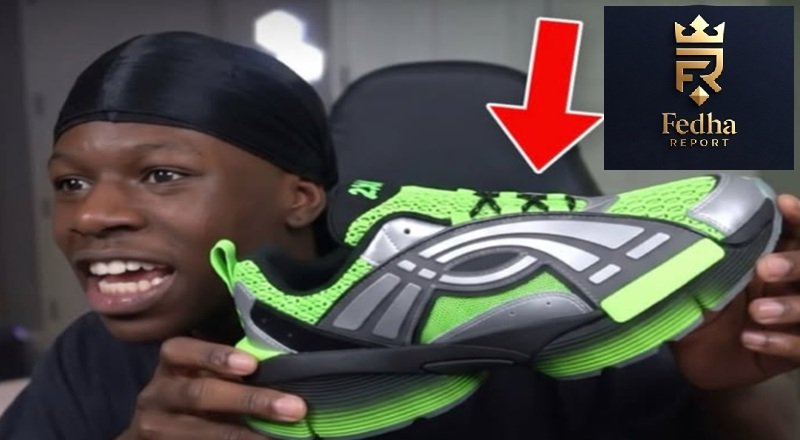
The shoe at the center of the controversy, the Arc 96 “25XX,” launches October 19 at $155 through Under Armour and select retailers including JD Sports US. Social media has been unforgiving. Critics have compared the neon green, black and metallic silver design to discount footwear and “Ben 10” cartoons, and they have questioned Under Armour’s direction after Stephen Curry’s exit. The noise is loud, but the economics underneath it are what matter.
A Signature Shoe Is an Asset, Not a Paycheck
When Rakai signed his multi-year deal in 2025, he reportedly picked Under Armour over offers from rivals including Nike because it came with the chance to design his own shoe. That distinction is structural. A standard endorsement is service income: you are paid to show up, and the payments stop when the contract does. A signature product generates intellectual property, a branded asset that can earn royalties on every unit sold and keep earning beyond any single campaign. It is the difference between being a tenant and holding a deed.
Curry shows how valuable that ownership is. When he and Under Armour separated in November 2025, ending a 13-year arrangement, Curry kept the rights to Curry Brand and is now partnered with Li-Ning. Analysts estimate he likely earned around $300 million from the relationship. Still, keeping the mark may prove the bigger win. Fees get spent; IP compounds.
The Discount on Black Influence
For Black creators, the ownership question sits on top of a documented pay gap. A landmark study by MSL and The Influencer League found that Black influencers were paid 35% less than white influencers. The same research found 77% of Black creators clustered in the lowest pay tiers, where brand compensation averaged about $27,700, and 49% said they believed race contributed to lowball offers.
That gap exists even though Black consumers drive the market. The Selig Center projected Black buying power at $1.98 trillion in 2025, and McKinsey expects Black spending on apparel and footwear to reach $70 billion by 2030. Industry research also finds that 72% of general-market consumers say they follow trends that started in Black culture. Black culture functions as the market’s research and development lab, but its creators are rarely on the cap table.
Under Armour’s Turnaround Math
Under Armour needs this experiment to work. The company paired the Curry separation with another $95 million in restructuring and estimated its total basketball revenue at $100 million to $120 million for fiscal 2026. CEO Kevin Plank described the move as a focus on the core UA brand at a critical point in the turnaround.
The 25XX is a colorway of the Arc 96, a retro lifestyle runner that typically retails around $125. Rakai’s version carries a $30 markup, a 24% premium attributable to his name. In finance terms, that is brand equity priced in real time. Strong sell-through at full price validates the creator-as-signature-athlete model. Markdowns would give every brand in the industry leverage in its next creator negotiation.
The Minor Factor
Rakai turns 18 in November. Minors can generally disaffirm, or void, contracts, so brands typically seek court approval to lock deals in. New York also requires a share of a child performer’s earnings to be placed in trust. For a community whose early entertainment earners were too often stripped of their masters and royalties, these protections matter.
Strategic Playbook
1. Negotiate like a licensor, not a hire. Push for a royalty on wholesale revenue with a minimum guarantee, which works as a salary floor the brand pays whether or not units move. Add audit rights to verify royalty statements and a reversion clause that returns your mark if the brand stops producing it.
2. Hold your IP in your own entity. File trademarks for your tags, logos and catchphrases through an LLC you control, then license them to brands. That structure keeps the asset on your balance sheet, separates liability, and gives you something to sell, borrow against, or pass down.
3. Price with data, not gratitude. In the MSL study, 92% of respondents pointed to industrywide pay transparency as the most effective fix for the gap. Build a media kit with engagement rates, audience demographics and conversion data, and compare rates with peers before signing. Information asymmetry, where one side knows the market price and the other doesn’t, is how lowball offers survive.
4. Turn a minor’s earnings into compounding capital. Beyond the trust that state law requires, a minor with earned income can fund a custodial Roth IRA up to the annual IRS limit. Decades of tax-free growth turns a teenager’s brand-deal income into retirement wealth before most peers open a brokerage account.
Monday’s sell-through will settle the design debate. The ownership question will outlast it.