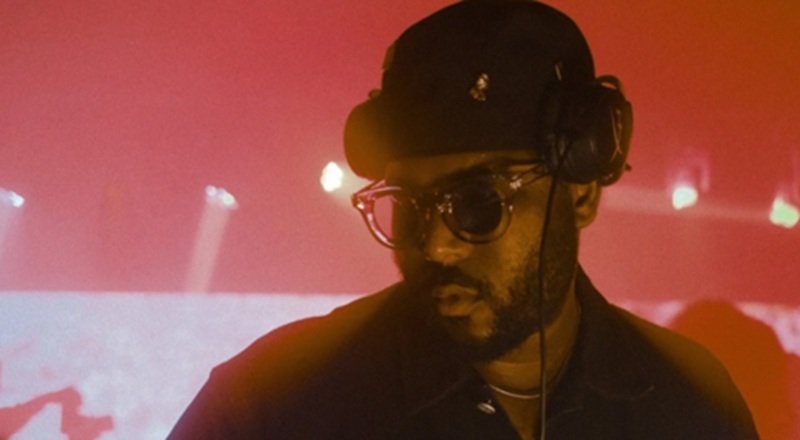
Casio McCombs’ Sundown HiFi was poised to redefine Kansas City’s nightlife—until its name ignited a controversy that revealed the fragile balance between creative ownership, historical trauma, and the economics of Black entrepreneurship.
Kansas City, Missouri — On March 27, 2026, musician and DJ Casio McCombs announced Sundown HiFi, a high-fidelity listening lounge and bar set to open in the city’s $1 billion Current Landing development. The venue, years in the making, was designed to be a sensory-driven sanctuary where music, architecture, and culture merged at dusk—a moment McCombs described as “transition, release, and presence.” But within 72 hours, the project was abruptly scrapped, not for financial or logistical reasons, but because of its name.
Sundown—a term historically tied to “sundown towns”, where Black Americans faced violence if caught after dark—became the flashpoint. McCombs, a Black entrepreneur with over a decade of shaping Kansas City’s music scene, intended the name as an act of reclamation, a way to redefine a word steeped in racial terror. Instead, it became a test case for how far Black creators can push boundaries before allies, history, and economics force retreat.
The controversy was not just about a name. It was about who controls the narrative of Black ownership—and at what cost.
From Reclamation to Rejection: The 72-Hour Collapse of Sundown HiFi
McCombs’ vision for Sundown HiFi was meticulously curated. The venue was to be a hi-fi listening lounge, where every detail—from the acoustics to the lighting—was designed to heighten the experience of music as the day transitioned to night. For McCombs, a veteran DJ who had spent years normalizing Black music genres in Kansas City’s predominantly white spaces, this was more than a business. It was a cultural statement.
The name Sundown was deliberate. McCombs acknowledged its historical weight—Missouri has one of the most violent legacies of sundown towns in the U.S.—but argued that reclamation was the point. “Sundown is about what happens when the lights dim, the music takes over, and the people come together,” he wrote in an Instagram post. He framed it as a challenge to the past, a way to repurpose a word that had been weaponized against Black communities.
But the backlash was immediate. KC Blue Crew, the official supporters’ group for Kansas City’s NWSL team, the KC Current, took to social media to demand a name change. Their argument: “The use of the name ‘Sundown’ for a dance club is not only racist, but incredibly insensitive to the history of the area.” They urged Current Landing’s developers and the KC Current’s leadership to intervene, framing the name as a step backward for a city still grappling with its racial history.
McCombs’ Response
McCombs responded with clarity and frustration. “The concern being raised is about avoiding potential harm to a community, yet the outcome of that concern is the stifling of a creative expression coming directly from someone within that very community,” he wrote. He questioned whether reclamation could ever be accepted if the very act of reclaiming was met with resistance.
Three days later, Sundown HiFi was canceled. McCombs’ statement was measured but unmistakably disappointed: “What’s lost here isn’t just a business. It’s a cultural contribution… a missed opportunity to support something intentional, thoughtful, and rooted in lived experience.”
The Three Fault Lines Exposed by a Black-Owned Lounge’s Demise
The collapse of Sundown HiFi exposes three critical tensions in Black entrepreneurship:
1. The Economics of Reclamation
Reclamation is not just an artistic act—it’s a financial risk. McCombs had signed a lease, invested years in development, and secured a prime location in a $1 billion mixed-use project. But when allies—even well-intentioned ones—dictate the terms of acceptance, the cost of pushing boundaries becomes prohibitive. The KC Blue Crew’s objection was not about the business itself but its name, a detail that, in their view, overshadowed the project’s intent. For Black creators, this raises a fundamental question: How much creative control are you willing to surrender for marketability?
2. The Role of Allies as Gatekeepers
The KC Current and its supporters positioned themselves as advocates for equity, yet their intervention stifled a Black-owned venture before it could open. This paradox highlights the fragility of allyship in business. While the Blue Crew framed their stance as anti-racist, McCombs saw it as paternalistic—a group outside his community dictating what was acceptable for it. The episode underscores how Black entrepreneurs often face double standards: Their work is celebrated for diversity but policed for authenticity.
3. Luxury Hospitality as a Battleground
Nightlife and leisure venues are not just businesses—they are cultural statements. Sundown HiFi was designed to be a luxury experience, a space where Black creativity could thrive in a city where Black-owned establishments are scarce. Its cancellation reveals how hospitality, particularly in high-visibility developments, becomes a proxy for broader social conflicts. The controversy was never just about a name; it was about who gets to define safety, comfort, and progress in shared spaces.
The Calculus of Creative Control: What McCombs Lost Beyond a Lease
McCombs’ background made the cancellation particularly stinging. A Kansas City staple since 2014, he had spent years bridging gaps in the city’s music scene—from DJing at Thou Mayest to becoming the first Black DJ and later head of the music department at Monarch Bar. His More Than Friends pop-ups had already proven there was demand for his curation. Sundown HiFi was to be his flagship, a permanent space in a city where Black-owned venues are exceptions, not the norm.
The KC Blue Crew’s objection gained traction quickly. Their Instagram post disabled comments, but the ripple effect was immediate. Local media, including The Kansas City Star and KSHB 41, covered the controversy, framing it as a clash between historical sensitivity and artistic intent.
McCombs’ final statement left little doubt about the personal and professional toll: “In less than 72 hours, a concept I spent years developing was reduced, misinterpreted, and ultimately stripped away—largely by voices outside the community it was meant to represent.” He did not rule out revisiting the project elsewhere, but the Current Landing opportunity was lost.
When Allyship Becomes a Veto: The Paradox of Progress in Kansas City
The Sundown HiFi controversy is not an isolated incident but a microcosm of the challenges Black entrepreneurs face when navigating cultural reclamation and economic viability. It reflects a larger pattern in which Black creativity is celebrated in theory but constrained in practice.
For luxury hospitality—a sector where exclusivity and experience drive value—the episode raises critical questions:
- How much risk are Black creators expected to absorb in the name of progress?
- Who decides when reclamation crosses a line—and who bears the cost of that decision?
- Can allyship exist without paternalism when the stakes are economic survival?
McCombs’ experience also underscores the precarity of Black ownership in high-profile developments. Current Landing, a $1 billion project, presented an opportunity for Black representation in Kansas City’s burgeoning riverfront district. Yet when controversy arose, the project’s institutional backers—including the KC Current and its developers—chose silence, leaving McCombs to shoulder the fallout alone.
The High Price of Redefining Space: A Lesson for Black Hospitality
The cancellation of Sundown HiFi is a cautionary tale for Black entrepreneurs in creative and hospitality industries. It reveals how historical trauma and modern economics collide when Black creators attempt to redefine spaces—both physically and culturally.
For Kansas City, a city with a documented history of racial exclusion, the episode exposes the limits of its progress. While the city celebrates its growing arts and nightlife scene, the Sundown HiFi controversy shows that Black ownership is still contingent on external approval.
Nationally, the story resonates with debates over reclamation, censorship, and the role of allies. It forces a reckoning with the cost of creative freedom—and who gets to dictate its boundaries.
The Unanswered Question: Can Black Creators Afford to Reclaim Anything?
Casio McCombs did not set out to provoke for provocation’s sake. He aimed to reclaim a word, redefine a space, and expand Kansas City’s cultural landscape. The cancellation of Sundown HiFi was not just the loss of a business but a reminder of the fragile balance Black entrepreneurs must strike between vision and viability.
The controversy leaves an unanswered question: Can reclamation ever be truly free if the terms of acceptance are set by those outside the community it seeks to empower?
For now, McCombs’ More Than Friends pop-ups continue, and the possibility of Sundown HiFi lives on—just not in Current Landing. The episode stands as a testament to the resilience required to build in spaces not designed for you—and the high price of daring to redefine them.